
Discover Cervia's Salt Museum: A Journey Through Maritime Heritage
July 30, 2025

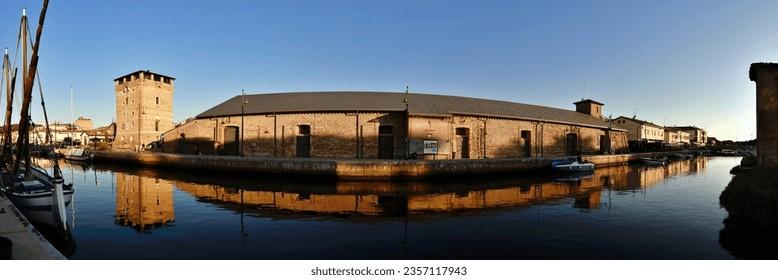
I spent nearly two hours exploring the fascinating exhibits about salt production, learning how this tiny coastal town shaped economic history. The museum's location right next to the salt pans made the experience feel incredibly authentic, with original equipment and stunning views of Cervia's traditional salt harvesting landscape.
Step into the hidden world of Italy's salt production where centuries of maritime tradition come alive in a single warehouse. Discover how a small coastal town turned salt harvesting into an art form that shaped entire economies.
Need-to-Know Info Before Visiting Museo Del Sale


5+
images
Museo Del Sale Address
Via Nazario Sauro, 24, 48015 Cervia RA, Italy
Museo Del Sale Opening Hours
- 🕒 Summer (June-September): Daily 10 AM - 6 PM
- 🕒 Winter (October-May): Thursday-Sunday 10 AM - 4 PM
- 🕒 Closed on Mondays
How to get to Museo Del Sale
- 🚗 By car: Park near Cervia city center, short walk to museum
- 🚌 Public transport: Bus lines connecting Ravenna and Cervia
- 🚕 Rideshare: Taxi services available in Cervia
What is Museo Del Sale known for?
- Documents the centuries-old salt production techniques of Cervia
- Showcases traditional tools and machinery used in salt harvesting
- Highlights the economic and cultural significance of salt production in the region
- Located in an authentic salt warehouse with original architectural features
- Offers guided tours explaining the historical salt manufacturing process
What is Museo Del Sale in Cervia?
Tucked in the coastal town of Cervia, the Salt Museum transforms an ordinary warehouse into a storytelling hub about Italy's salt production heritage. Travelers interested in industrial history and local culture find this museum a goldmine of information about one of the region's most important economic traditions. The museum sits right in the heart of Cervia's salt flats, where visitors can connect directly with the landscape that shaped generations of salt workers. Tourists typically spend around 90 minutes exploring exhibits that showcase original salt harvesting equipment, historic photographs, and interactive displays explaining the complex process of salt extraction. Located near the picturesque salt pans, the museum attracts history buffs, photography enthusiasts, and travelers curious about traditional Mediterranean industrial practices. While not as crowded as major city museums, Museo Del Sale offers an authentic glimpse into the working life of salt producers who have sustained this region's economy for centuries. The museum's location provides excellent opportunities for photography, with panoramic views of salt flats and traditional salt production landscapes that tell a story of human adaptation and economic survival.
Top things to do at Museo Del Sale
- Watch documentary films about salt production history in the museum's screening room
- Explore the original salt warehouse with preserved industrial machinery from early 20th century
- Join guided tours explaining traditional salt harvesting techniques used by local workers
- Take part in seasonal salt extraction demonstrations during summer months
- Examine historical photographs and tools documenting Cervia's salt production evolution
- Visit the outdoor salt pans adjacent to the museum to see contemporary salt production methods
- Purchase locally produced salt and traditional salt-related souvenirs from the museum gift shop
- Participate in interactive exhibits that explain the scientific and economic importance of salt production
- Learn about the environmental and economic impact of salt manufacturing in the Adriatic region
Tickets and Pricing
Entry to Museo Del Sale costs around 5-7 euros per adult. Reduced rates apply for children, students, and seniors. Tickets can be purchased directly at the museum entrance or online through the official Cervia tourism website. Group discounts are available for parties of 10 or more visitors. Guided tour tickets cost slightly more, typically around 10 euros, and include detailed explanations of salt production history.
History of Museo Del Sale
- 1700s: Salt production becomes a critical economic activity in Cervia
- 1840: First systematic documentation of salt harvesting techniques in the region
- 1960: Local authorities begin preserving salt production equipment and artifacts
- 1980: Conversion of old salt warehouse into an ethnographic museum
- 2000: Major renovation and modernization of museum exhibits
- 2010: UNESCO recognition of salt production as intangible cultural heritage
Tips for Visitors
- Wear comfortable walking shoes for museum and outdoor salt pan areas
- Summer visits recommended for live salt harvesting demonstrations
- Bring a camera to capture historic machinery and landscape views
- Allow at least 90 minutes for a comprehensive museum experience
- Check website for seasonal tour schedules and special events
- Free parking available near the museum entrance
- Accessibility ramps available for visitors with mobility challenges
Cultural Significance
Museo Del Sale represents more than a museum-it's a testament to Cervia's economic and cultural identity. Salt production has been central to this coastal community's survival and prosperity for centuries. The museum preserves not just tools and techniques, but the human stories of generations of salt workers who shaped the local landscape and economy.
What are some interesting facts about Museo Del Sale?
- Salt workers in Cervia traditionally used special wooden tools called 'leve' that were hand-carved and passed down through generations
- The museum is located in an actual historic salt warehouse that was once a critical economic hub for the entire Adriatic region
- During peak production seasons, salt workers could harvest up to 50,000 tons of salt per year using techniques that remained virtually unchanged for over 300 years